
Tangential flow
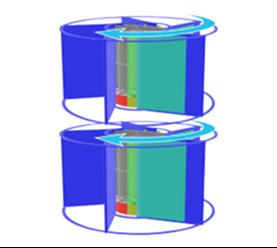
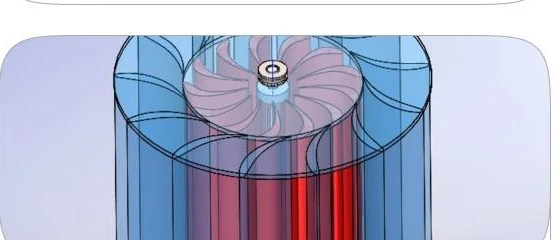
Directing the air flow toward the generator blades along a tangential line to the rotation circle optimises the generating module’s torque.
 X-ENERGY
AFFORDABLE ENERGY
Reliable power anywhere, from wind installations ranging from 10 kW to several megawatts.
ENERGY IN MOTION
X-Energy guides and concentrates the air flow, transfers rotation to the generator and delivers electricity to the consumer — from a local facility to the wider energy system.
System in flow
10 kW — several MW01 · ENGINEERED SYSTEM
Four engineering principles make the system compact, modular and efficient.
Directing the air flow toward the generator blades along a tangential line to the rotation circle optimises the generating module’s torque.
Lower material intensity than conventional wind installations, combined with a higher specific power output.
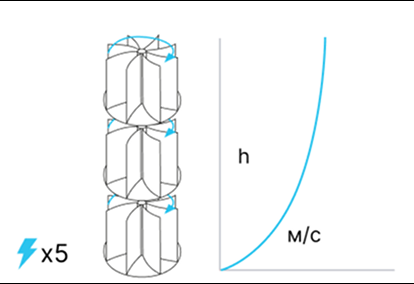
Several modules can be installed together to use wind speed efficiently and scale the output. Up to five modules can be stacked vertically.
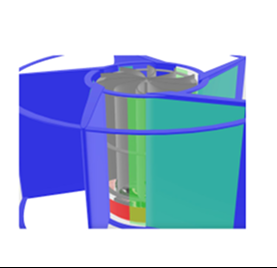
Shielding inactive blades from the incoming air flow improves efficiency and reduces noise to a normal level.

02 · OPERATING PRINCIPLE
The unique multi-stage air-flow guidance system not only raises X-Energy efficiency but also solves operating-noise problems. The installation can therefore be placed close to residential buildings. Combined with V. V. Shkondin’s generator, X-Energy is more than three times as efficient as other wind generators.
03 · REAL-WORLD REFERENCES
The new wind-power solution can cover a building’s own demand and also supply energy to external consumers.
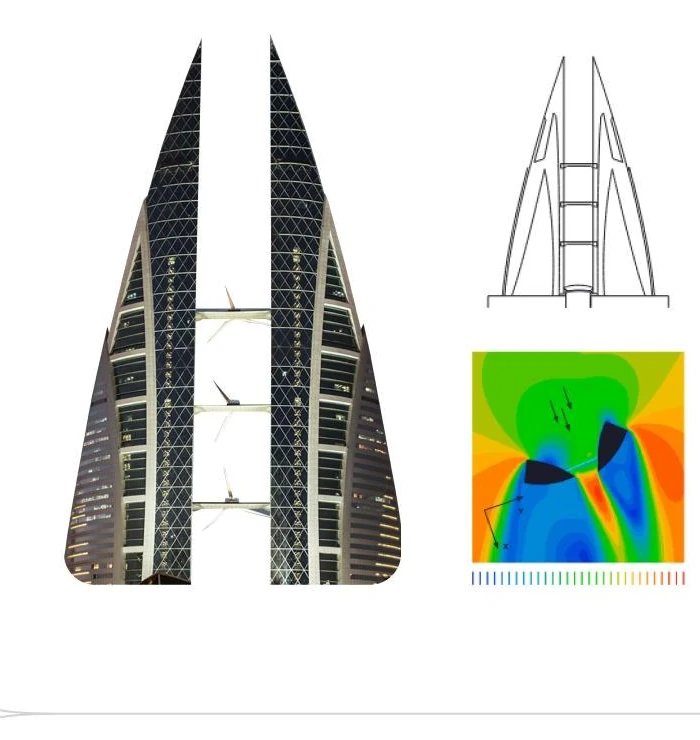
Bahrain World Trade Center
The Bahrain World Trade Center is a 240-metre twin-tower complex in Manama, Bahrain. Completed in 2008 by Atkins, it incorporates sky bridges with wind turbines.
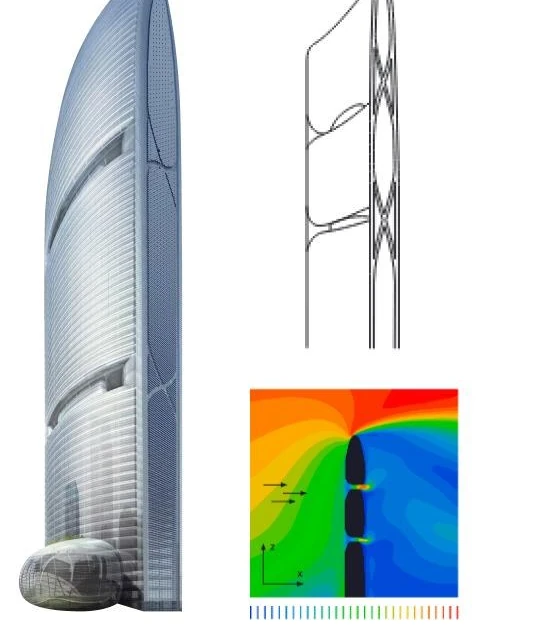
Pearl River Tower
This supertall skyscraper stands in Guangzhou’s business district and was completed in 2013 in a neo-futurist style. Its wind turbines and solar panels were designed to cover the building’s own energy demand.
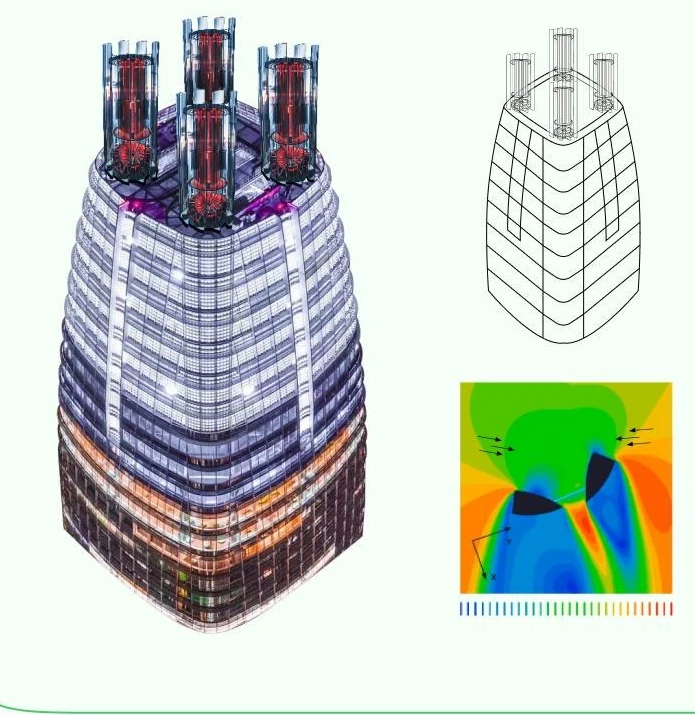
X-Energy
This output is achieved through the wheel-generator technology on buildings of different heights and designs. A building does not need to be the tallest or largest: most structures can accommodate X-Energy. Multi-stage wind guidance gathers and concentrates the air flow in the blades.
04 · SHKONDIN GENERATOR
V. V. Shkondin’s generator technology can create a new ultra-efficient source of energy and substantially improve existing generating systems.
01
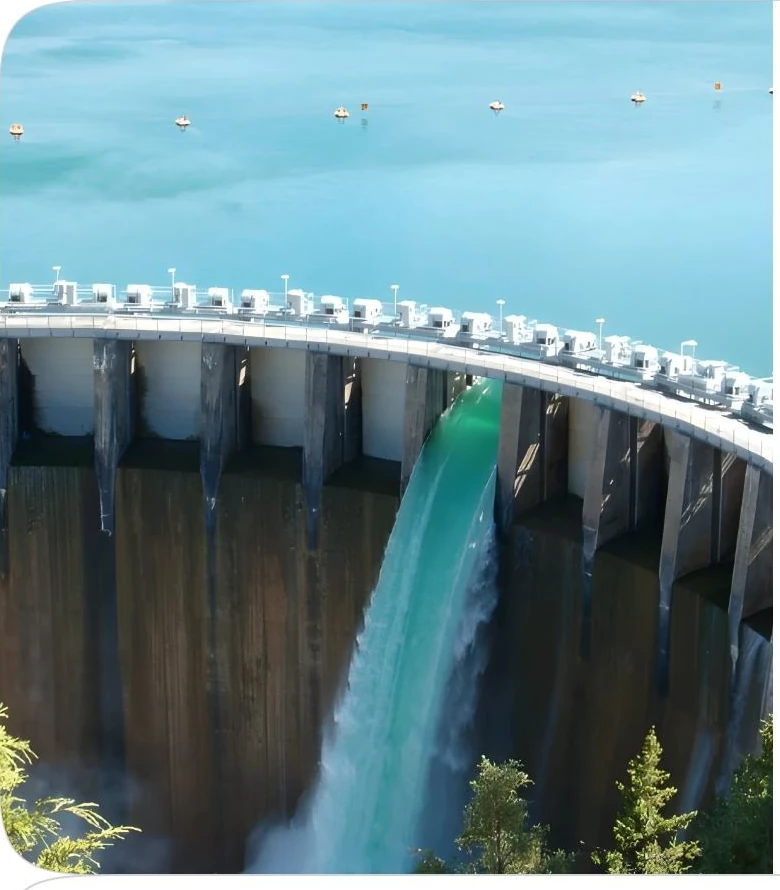
Hydroelectric efficiency is calculated as efficiency = Eout × 100% / Ein, where Eout is the energy generated by the plant and Ein is the energy of the falling water.
Generated energy: Eout = Pout × t, where Pout is the plant’s output and t is the generation period.
Energy of falling water: Ep = m × g × h; m = V × ρ; therefore Ep = V × ρ × g × h.
Efficiency = Pout × t × 100% / (V × ρ × g × h).
Efficiency = 73 × 10⁶ W × 60 s × 100% / (15,000 m³ × 1,000 kg/m³ × 10 m/s² × 36 m) = 81%.
At these parameters, the Shkondin generator can significantly improve the result and produce up to 900%.
02
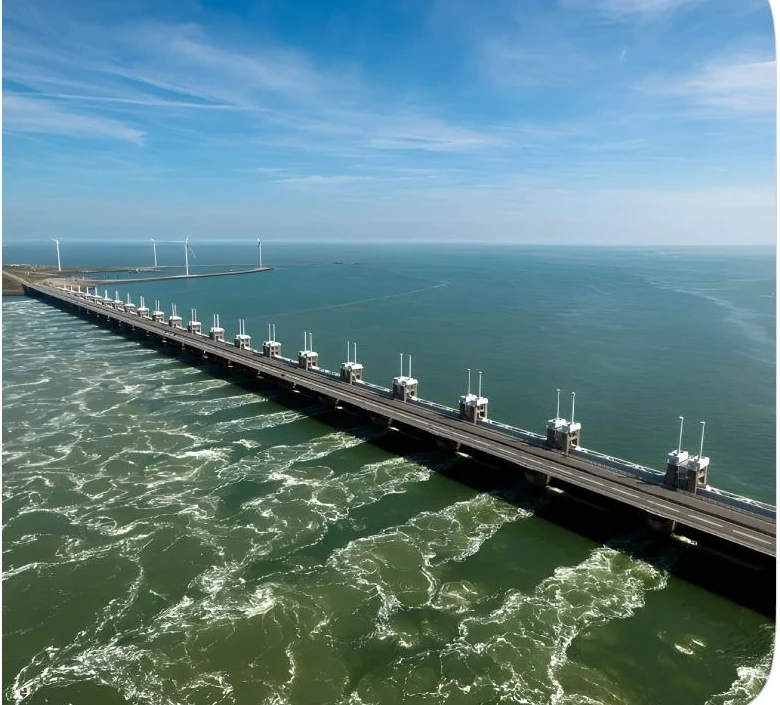
Low water velocity and numerous passage locks make a conventional hydroelectric plant economically inefficient.
The Shkondin generator technology consists of only five elements and starts producing a stable electricity flow from water moving at two metres per second.
This makes it possible to achieve exceptionally high efficiency and power nearby facilities or even communities.
03
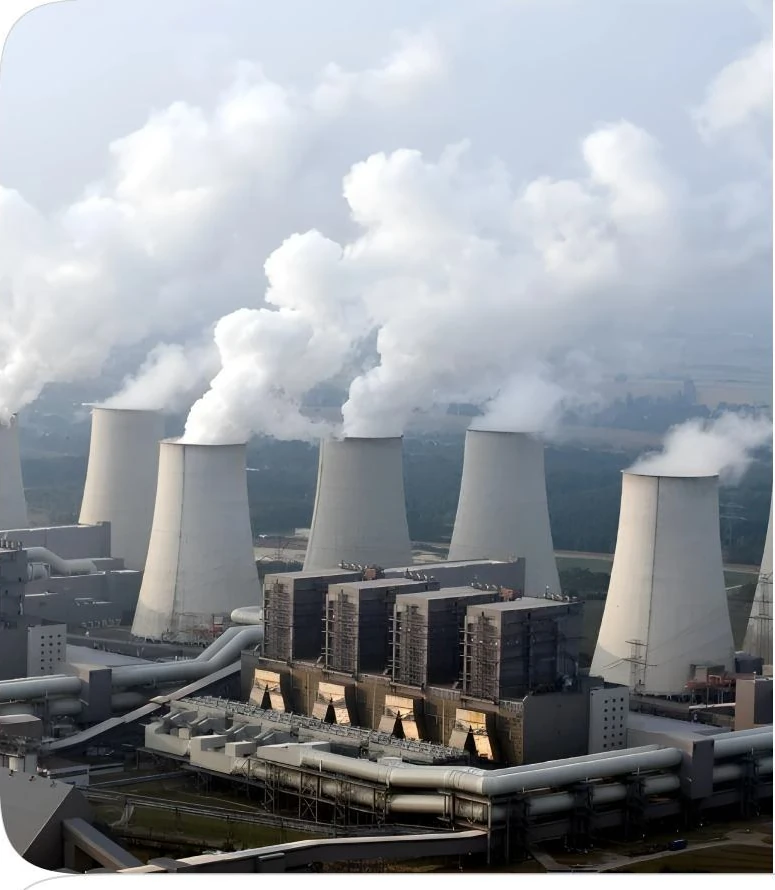
Thermal power plant efficiency rarely exceeds 48%. Common steam plants use fuel oil at 36% efficiency, coal at 47%, or natural gas. Combined-cycle plants reaching 60% are the most efficient.
Building such a plant costs more than €80 million, while the payback period can stretch across decades.
The technology can significantly raise performance to 95% and at least halve the payback period through higher productivity and lower production costs.
04
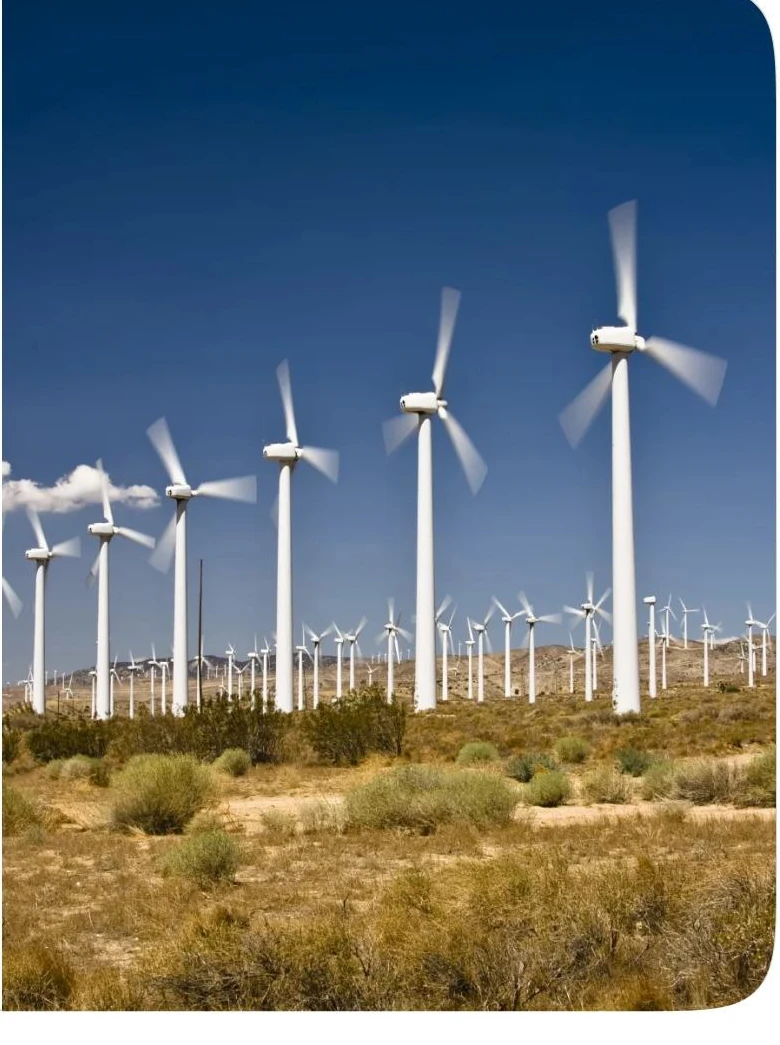
Average wind-turbine efficiency is about 25%. Their specific performance metric is the wind energy utilisation coefficient, which has increased from 10–15% for historic windmills to 35–40%.
A calculation based on total electricity output gives a relatively low overall efficiency of about 20–30%.
Propeller turbines remain popular because they are inexpensive to build. The new technology can multiply their performance, add practical advantages and deliver almost four times the efficiency.
05 · COMPARISON
Horizontal-axis wind turbines are widely used to convert wind into electricity. They occupy large areas, while the new wind-power installation removes their major limitations.
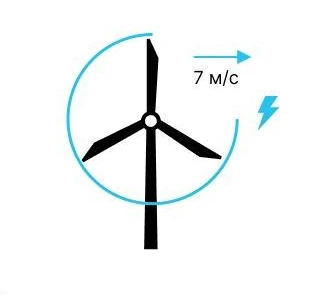
Electricity generation is possible at wind speeds from 7 m/s.
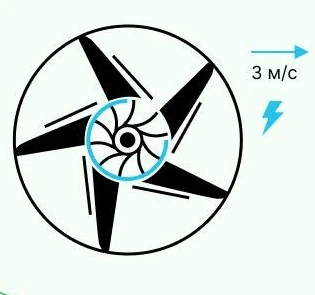
Electricity generation is possible at wind speeds from 3 m/s.
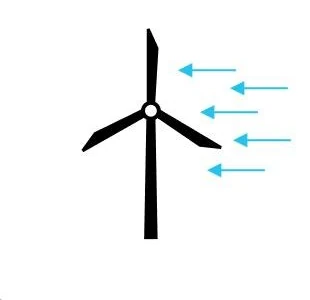
The air flow cannot be concentrated.
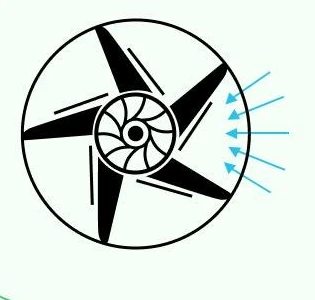
The air flow can be gathered and concentrated.
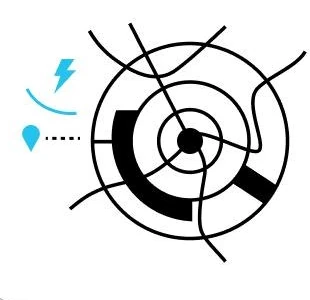
Remote location and long transmission lines are required.
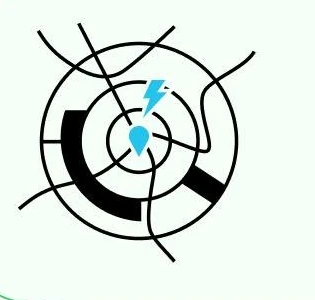
The system can be installed directly in an urban environment.
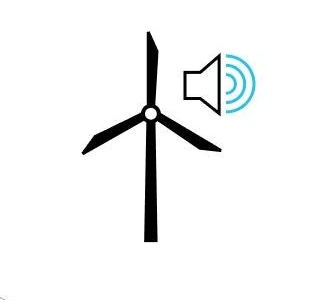
Noise up to 70 dB and infrasound can affect the nervous system.
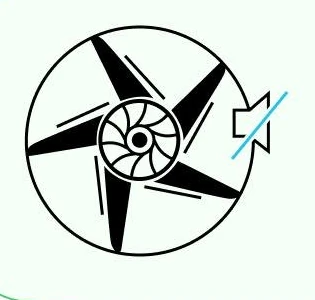
Low-speed operation is quiet and produces no infrasound.
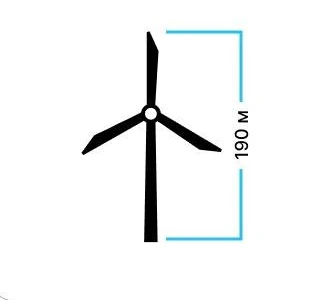
The generator and blades are installed at heights of up to 190 metres.
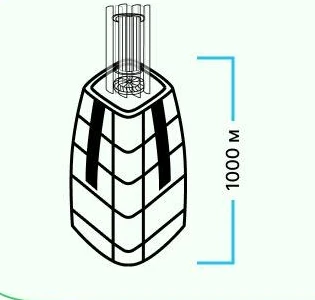
Generating modules can be installed at various heights, up to 1,000 metres.
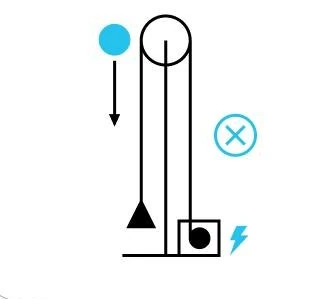
A gravity energy storage system cannot be used.
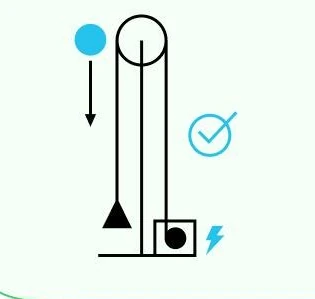
A gravity energy storage system can be used.
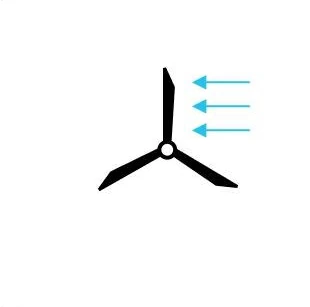
There is no guided movement of the air flow.
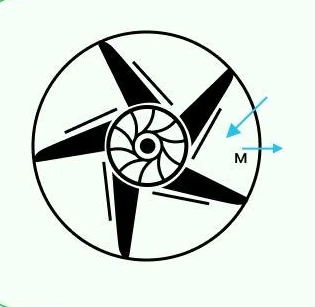
The air flow is directed tangentially to the blade rotation circle.
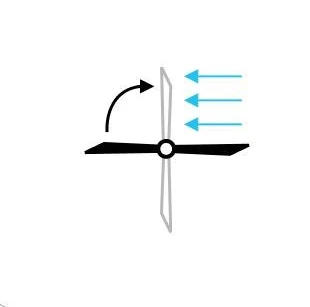
Continuous orientation toward the wind is required.
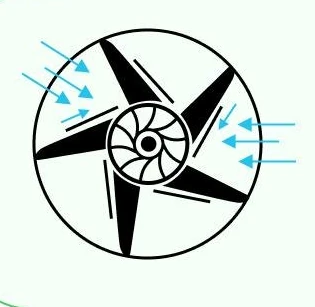
Operation does not depend on wind direction.
06 · WIND SYSTEM FEATURES
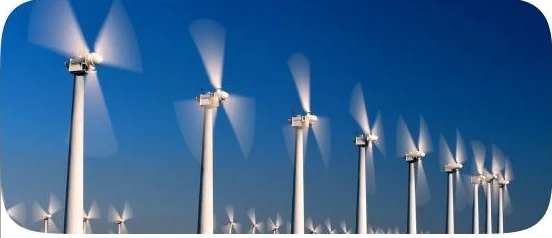
Generates electricity at wind speeds from 3 to 50 m/s. The upper safety limit is 60 m/s.

Pilot operation is expected to establish a service warranty of up to 20 years.
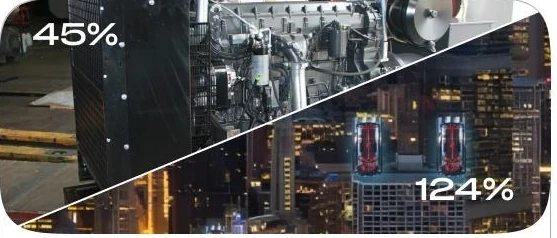
Can serve as either the primary or backup source of energy.
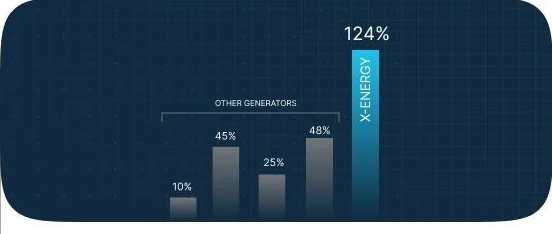
Annual energy production is several times higher than conventional alternatives under otherwise equal conditions.
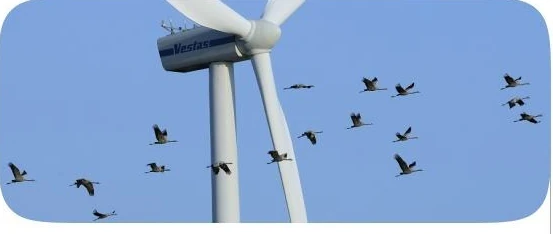
No harmful effect on people, animals, birds, insects or fish. There is no infrasound, and birds can see the wind wheel.

The required area is only 0.2–0.4 m² per 1 kW of delivered electricity.
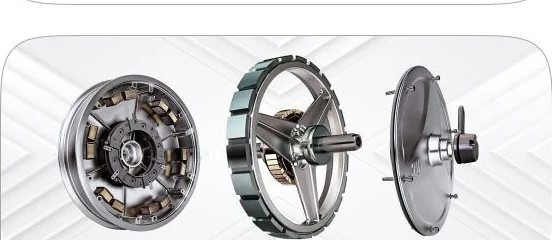
The structure is safe and reliable and can be installed at the point of use, including on slopes, mountains, water or marshland.

No fundamentally new materials, assemblies or units are required. The system is easy to manufacture and operate, with low running costs.
The upper limit and gust loads are compensated by the original blade and tail design and propeller efficiency above 60%.
07 · POSSIBLE APPLICATIONS
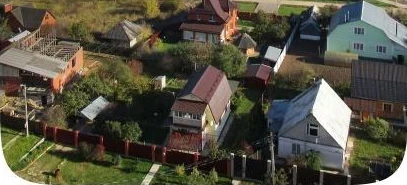
Private homes

High-rise buildings and business centres
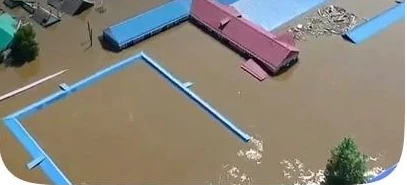
Emergency response zones
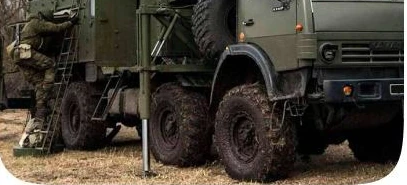
Power for communication systems in remote locations

Life-support systems in the North, Arctic, mountains and islands
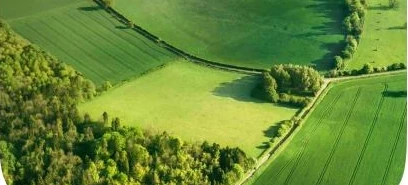
Water supply for communities and irrigated fields
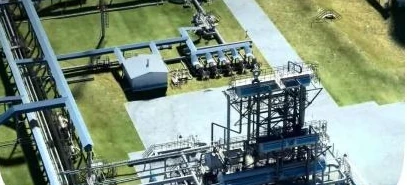
Energy for deposits and transit infrastructure
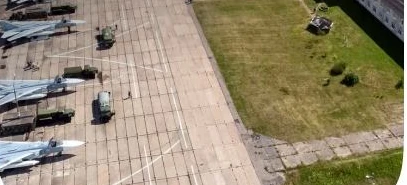
Defence facilities, airfields, border posts and special sites
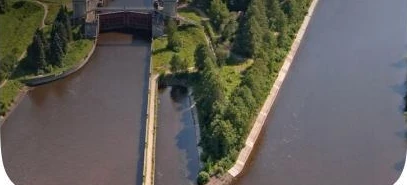
Operation of locks, bridges, emergency and safety systems
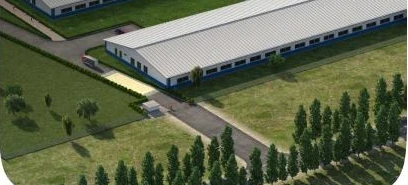
Primary and backup power for public and industrial facilities

Lighting for roads, crossings, emergency areas, tunnels and advertising
Locations where regular fuel delivery is difficult
08 · WIND IS EVERYWHERE
The system can be installed anywhere in the world.
X-ENERGY · CONTACT US
Enter your name, email address and message so we can reply to the address you provide.